Why we should protect the forests we have in Nairobi
- Mahmud Hassan

- Mar 16
- 3 min read
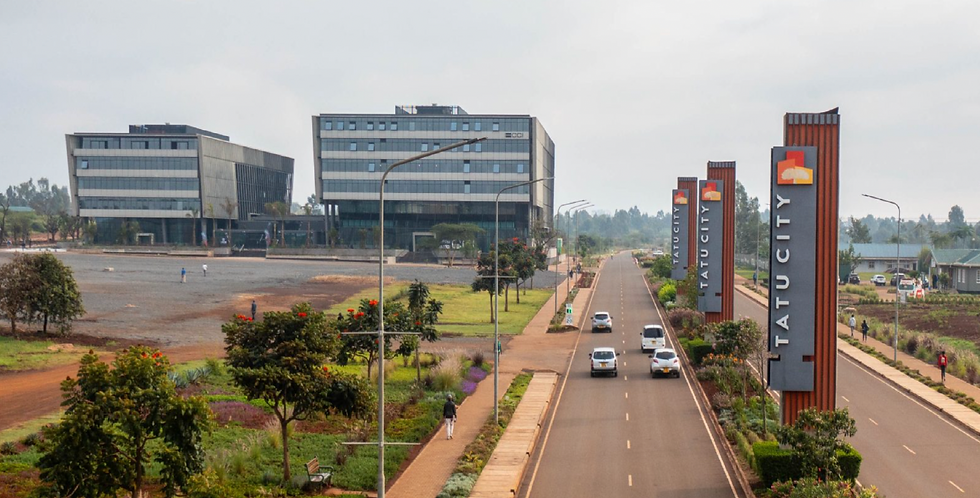
Nairobi, the metropolis once famed as the “green city under the sun,” is losing its distinct colour. Decades of urbanisation and urban sprawl have caused many of its green spaces to dramatically decrease in size. Infrastructure projects, residential developments, and towering apartment complexes are swallowing the lungs that keep the city alive: our urban forests and parks. One important example of this can be found in City Park, which was reduced to sixty-six acres from its original ninety acres. It is thought to have shrunk to just sixteen acres due to recent developments. From Karura to Arboretum, these parks and forests are our city’s lifelines that help cool our neighbourhoods, provide fresh and clean air, as well as act as a space for connection outside our busy city lives. I hope to convince whoever’s reading this article of the importance of these green areas and why we should protect them, just as we once did before.

Firstly, one irrefutable impact of these spaces is the environmental benefits they provide for Nairobi. As Nairobi suffers from climate change like many other cities across the globe, urban heat islands are becoming a reality where built-up areas are becoming way hotter and unbearable due to the lack of reflective surfaces. Urban forests help cool the city by providing shade and releasing more moisture into the air. Without them, Nairobi would become unbearably hot, increasing energy costs for cooling and increasing the risk of mass heat stroke. Another important impact of these urban forests is that they act as natural air purifiers, by absorbing gases such as carbon dioxide and filtering the air from pollutants released from cars and Matatus. The importance of these forests for our environment can not be overstated, especially in a heavily industrialized and congested city.

As much as these forests are important for the environment, they're important for our well-being. It’s no secret that spending time outside, especially in greenery, can reduce stress, improve our mental health and encourage a culture of physical activity. In addition to these health benefits, green spaces, especially those within our city, act as communal areas, inviting groups of people to interact through activities or events that attract people to connect with others. Moreover, with ecotourism becoming a major revenue generator, these parks attract both local and international visitors, supporting local businesses and improving the city’s economy. It’s truly a privilege to have these safe havens in quite a fast-paced city, where families can go for a weekend outing, or joggers and hikers can enjoy the tranquillity of nature.
Given all these benefits, it begs to question of why the city would ever risk losing such precious landmarks. A major way these forests are threatened is through illegal land grabbing and encroachments. In recent history, powerful individuals and corporate entities have taken areas near these forests for private development due to their inherent value and marketability. This is especially true for Ngong Forest, where hundreds of homes and developments were built on annexed land, causing it to dwindle in size. This problem is exacerbated by deforestation. All around Nairobi, trees are being cut down to make way for roads, buildings, and apartment complexes without any reforestation. The tens of trees that once went through Uhuru Highway, Waiyaki Way and Mombasa Road, were torn down to build the Expressway, which is just one manifestation of this dangerous trend.

In conclusion, Nairobi’s forests are more than just patches of green, they provide intangible services even though they face major threats from urbanisation and industrialisation. Given this, we ought to protect them in our way through community-led initiatives. Conservation shouldn’t just be the government’s responsibility. Citizen-led organizations such as Friends of Karura or Friends of City Park prove that we city dwellers have the capacity to support these biodiverse areas and fortify them against increasing development. It’s time for Nairobi’s policymakers, citizens and conservationists at heart to take action and protect a sustainable standard of living for future generations.
References
Kairu, P. (2020, June 26). 800 homes to come down as Tobiko targets Ngong Forest land grabbers. Nation. https://nation.africa/kenya/news/800-homes-to-come-down-as-tobiko-targets-ngong-forest-land-grabbers-1244514
Mwanzu, A., Nguyu, W., Nato, J., & Mwangi, J. (2023). Promoting Sustainable Environments through Urban Green Spaces: Insights from Kenya. Sustainability, 15(15), 11873. https://doi.org/10.3390/su151511873
Shah, P., & Irandu, E. M. (2022). Recreational green spaces as the future for sustainable cities: Case of Karura Forest in Nairobi, Kenya. Journal of Sustainability, Environment and Peace, 5(1), 87–95. https://doi.org/10.53537/jsep.2022.06.001


Comments